

This post may contain affiliate links, which means I may earn a small commission at no extra cost to you if you make a purchase through one of these links. Thank you for your support! Read full disclosure.
Nail health is often overlooked, but it’s an essential part of both personal grooming and hygiene.
Healthy nails not only contribute to a polished appearance but also act as a protective barrier for the fingertips, preventing dirt and bacteria from entering.
Nails can also reveal important clues about your overall health; changes in their appearance, such as discoloration or cracking, can be signs of underlying health issues.
Taking care of your nails isn’t just about achieving a beautiful manicure.
It’s about ensuring they stay strong, flexible, and resistant to damage. In this article, we’ll explore practical steps and everyday habits you can adopt to keep your nails looking their best while maintaining their health.
Whether you’re dealing with brittleness, looking to prevent breakage, or simply want to improve the look of your nails, these tips will help you achieve healthier, stronger nails in no time.
Table of Contents
1. Understand the Anatomy of Your Nails
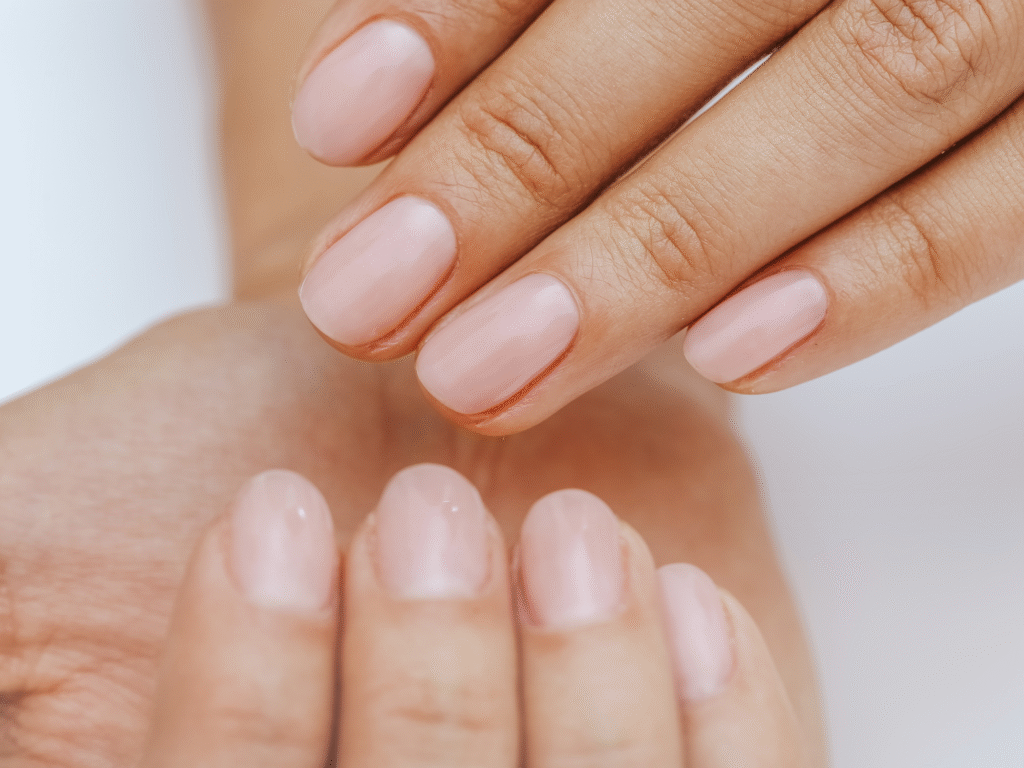
Your nails may seem simple, but they’re made up of several key parts that work together to protect your fingertips.
At the core of each nail is keratin, a tough protein also found in hair and skin.
The visible part of your nail is called the nail plate, which rests on the nail bed — the skin beneath your nail that provides nutrients.
The cuticle acts as a protective seal, keeping bacteria and debris from entering the area where new nail cells grow. The white, half-moon shape near the base of your nail is the lunula, part of the matrix where nail growth begins.
Nails grow from the base upward as new cells are produced and pushed out.
Growth rate can be influenced by nutrition, hydration, age, and even stress levels.
Understanding this structure helps explain why proper care — like moisturizing cuticles and eating a balanced diet — is essential for maintaining strong, healthy nails that do more than look good; they help shield your fingertips from injury and infection.
2. Basic Nail Care Routine
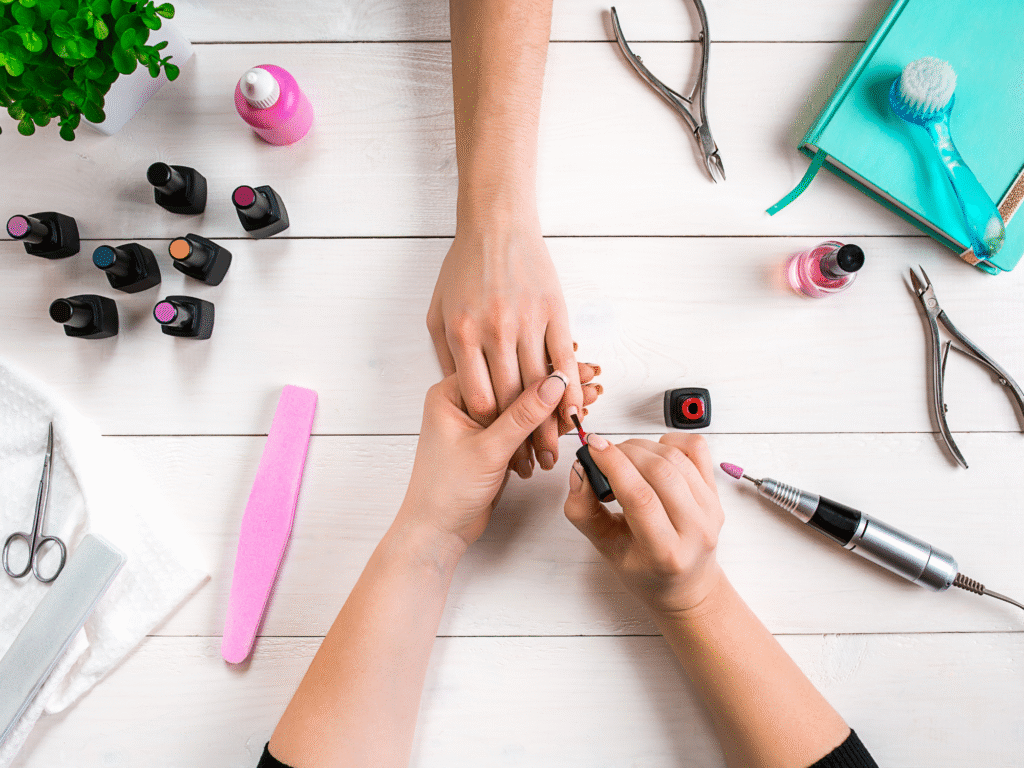
Keeping your nails healthy doesn’t have to be complicated — a few daily habits can go a long way.
Start with the basics: wash your hands and nails regularly, but make sure to dry them well. Trapped moisture can lead to fungal infections, especially around the nail bed.
To prevent dryness and brittleness, apply a nourishing cuticle oil or hand cream daily. Ingredients like jojoba oil, vitamin E, or shea butter are especially helpful for keeping nails and surrounding skin hydrated.
A soft nail brush can also help gently clean under your nails and remove buildup without damaging the skin.
When it comes to trimming, a general rule is once every one to two weeks, depending on how fast your nails grow. Use clean, sharp nail clippers and cut straight across to reduce the risk of painful splits or snags.
If needed, use a file to smooth the edges — always filing in one direction to prevent tearing.
And if you’re a nail biter, breaking the habit is key. Biting not only weakens the nail structure, but it also introduces bacteria from your mouth into tiny cuts or tears around the nail.
Try using a bitter-tasting polish, keeping your hands busy, or identifying triggers to help you stop.
3. Nail Strengthening: How to Prevent Weak or Brittle Nails
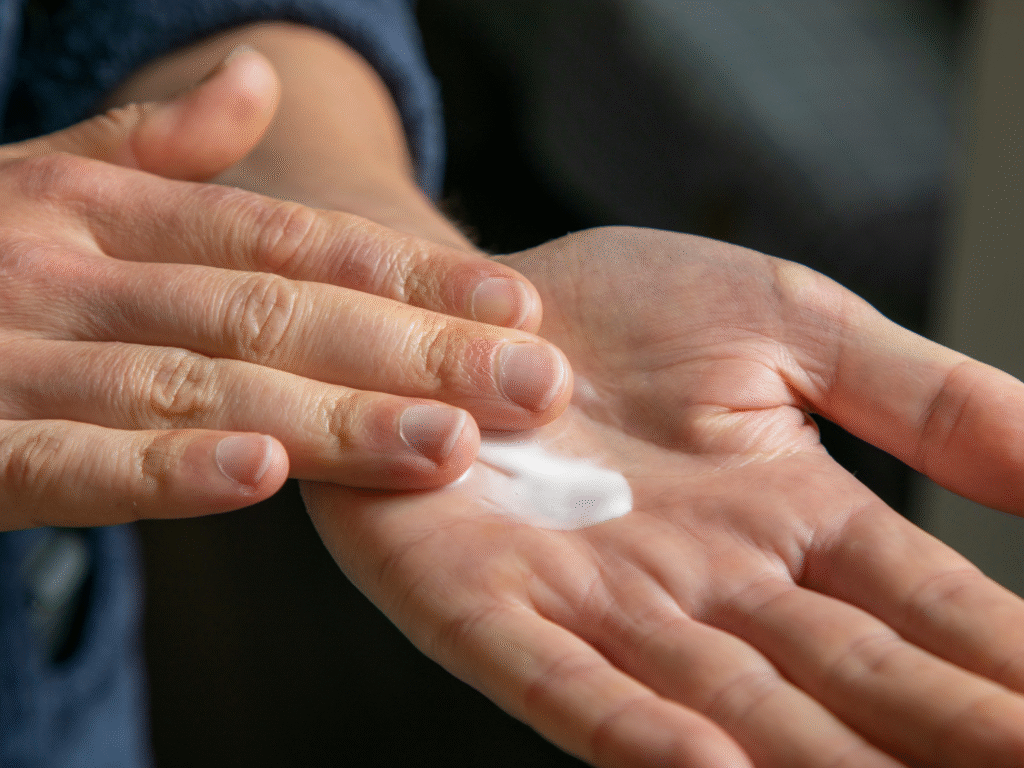
Weak or brittle nails are frustrating, but with the right care, they can be strengthened and made more resilient.
One of the most overlooked steps is moisturizing. Just like skin, your nails need hydration to stay flexible and healthy.
Applying oils such as vitamin E, jojoba, or almond oil can help lock in moisture and prevent cracking.
You can also use thick hand creams or cuticle balms after washing your hands or before bed to nourish dry nail beds.
Harsh chemicals in cleaning products, acetone-based polish removers, and certain nail polishes can dry out or weaken your nails. If you clean regularly or work with detergents, wear gloves to minimize exposure.
Opt for acetone-free nail polish removers and choose “3-free” or “5-free” nail polishes that avoid the harshest chemicals.
Nail strengtheners can also make a difference. These usually come in clear polish form and can be applied a few times a week.
Look for ones with keratin or calcium. Some popular options include OPI Nail Envy or Sally Hansen Hard as Nails. If you prefer a natural route, DIY nail soaks with olive oil and lemon juice can be surprisingly effective.
Nutrition also plays a big role. Biotin, Vitamin E, protein, iron, and zinc are all crucial for strong nails. Eggs, nuts, salmon, leafy greens, and beans are all nail-friendly foods worth adding to your meals.
4. Nail Protection from Damage
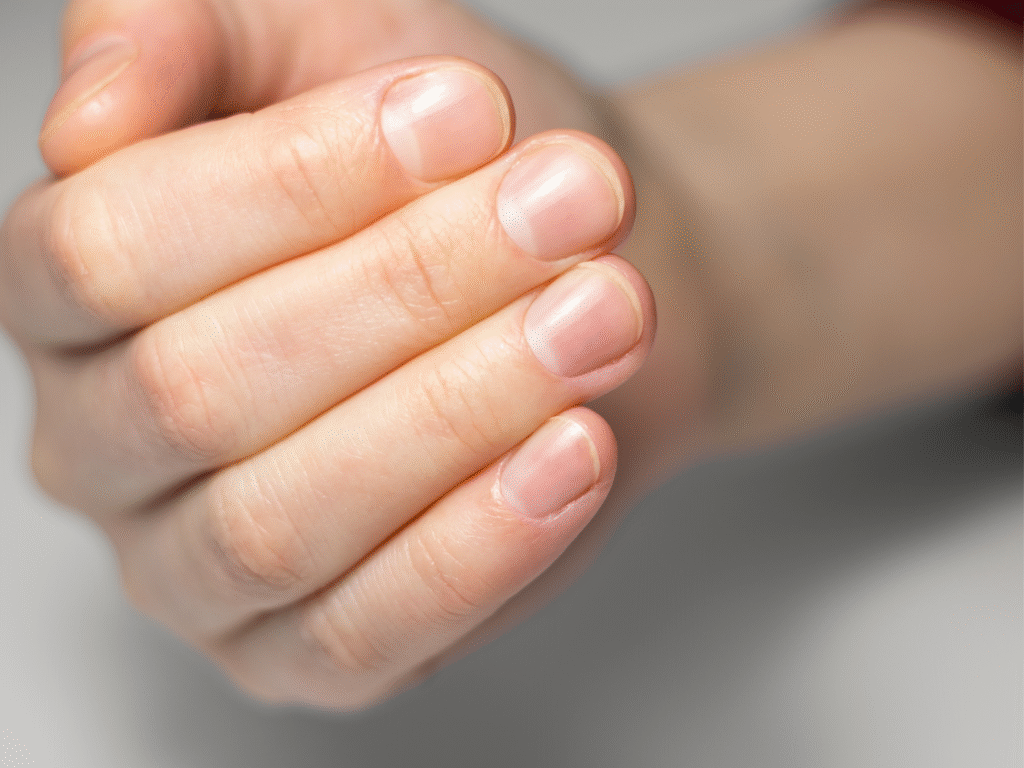
Keeping your nails strong isn’t just about what you put on them—it’s also about how you treat them day to day.
One of the most common causes of nail breakage is using nails as tools. Prying things open or scratching off labels might seem harmless, but those little moments can weaken or crack your nails over time.
If you’re doing housework, gardening, or anything hands-on, wearing gloves is an easy way to avoid unnecessary wear and tear. Gloves also protect against exposure to water and cleaning products, which can dry out your nails and cuticles.
Protecting the nail matrix—the part under your skin that actually produces the nail—is crucial. A heavy hit or repeated trauma to this area can lead to permanent damage or changes in nail growth.
When it comes to grooming, using the right tools matters. Choose a sharp, clean nail clipper and trim nails straight across before rounding the edges slightly. Always file in one direction instead of sawing back and forth, which can cause splitting.
A gentle buffer can smooth ridges, but over-buffing can thin the nail plate.
Polish can be fun, but it should be applied properly. Always start with a base coat to protect from staining and finish with a top coat to seal it in.
When it’s time to remove it, skip the scraping—use a gentle, acetone-free remover and be patient to avoid stripping your nails.
5. Seasonal Nail Care Tips
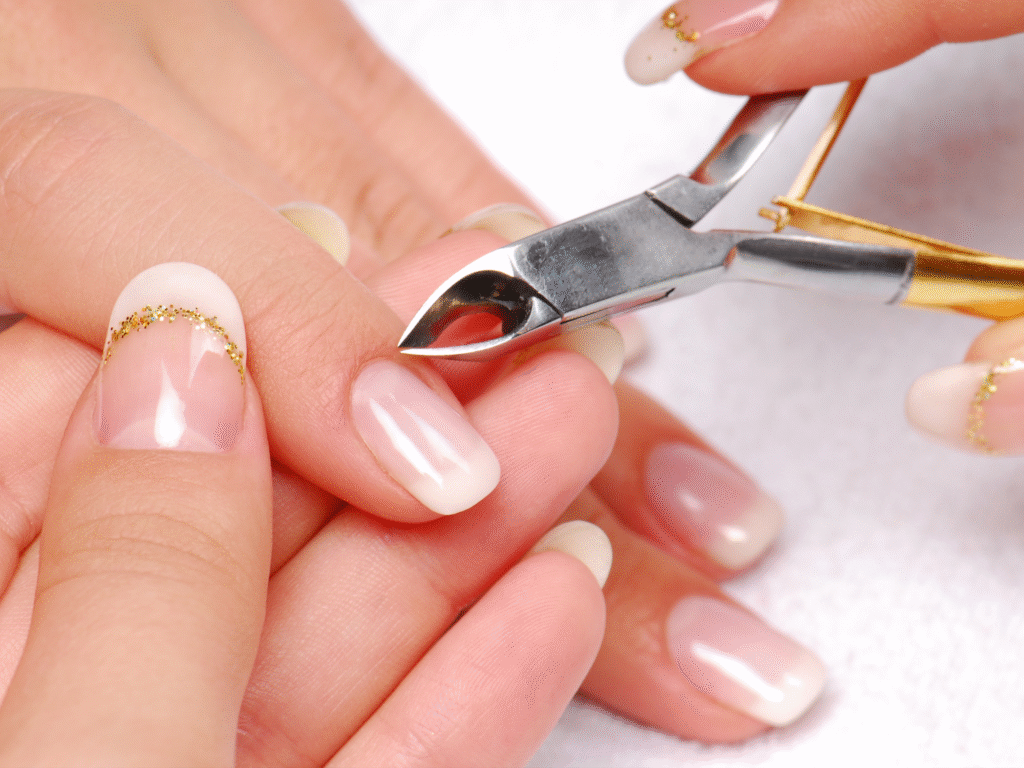
Your nails, much like your skin, need different care depending on the season.
In winter, the cold air and indoor heating can dry out your hands and nails, leading to brittle tips and peeling cuticles.
To combat this, keep a rich hand cream or cuticle oil on hand and apply it several times a day. DIY warm oil soaks using olive oil or coconut oil once or twice a week can help lock in moisture.
And don’t forget gloves—not just outside, but even while doing chores indoors. They’ll protect your nails from harsh soaps and extreme temps.
Summer brings its own challenges. Sun exposure, chlorine from pools, and extra handwashing can take a toll.
Try using a hand cream with SPF and reapplying after sun exposure. After swimming, rinse your hands thoroughly and rehydrate with a lightweight lotion or nail serum.
Seasonal care doesn’t have to be complicated—it just means paying attention and adjusting your routine as needed.
6. Addressing Common Nail Problems
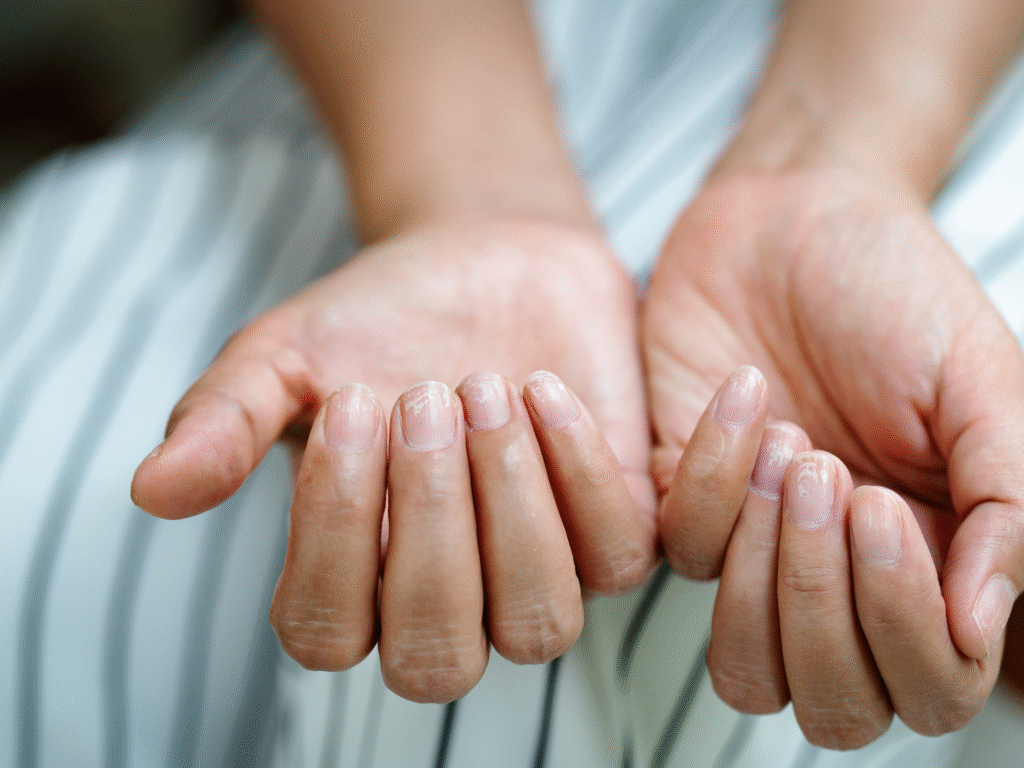
Even with the best care, nail issues can pop up from time to time. One of the most common complaints is brittle nails.
This can be caused by dehydration, overuse of harsh nail products, or even nutritional deficiencies. To strengthen brittle nails, stay consistent with moisturizing, avoid acetone-based removers, and try products enriched with biotin or keratin.
Discolored nails are another frequent concern. Yellow or brown staining can result from constant polish use without a base coat or more serious issues like fungal infections. To prevent discoloration, always use a base coat and give your nails regular polish-free breaks.
If staining doesn’t go away or is accompanied by thickening or odor, it might be fungal—something a doctor should check out.
Ingrown nails, especially on the toes, can be painful and frustrating.
Avoid cutting nails too short or rounding the corners too much. Wear shoes that don’t squeeze your toes, and soak feet in warm water if irritation starts. Severe cases with redness or pus should be seen by a professional.
Nail fungus is tricky. It often starts with discoloration, thickening, and brittleness. Keep nails dry, clean, and trimmed. Over-the-counter antifungals can help mild cases, but persistent or painful infections need medical treatment.
7. Nail Myths vs. Facts
There are plenty of myths surrounding nail care, but it’s important to separate fact from fiction.
One common myth is that cutting your nails too short makes them grow faster. In reality, nail growth is determined by genetics and overall health, not how short you trim them.
Another myth is that nails need to “breathe” to stay healthy. Nails are made of keratin and don’t require air to grow or stay strong.
However, keeping nails clean and moisturized is essential for their health, while leaving them unpolished allows them to recover from chemicals used in nail products.
8. A Healthy Lifestyle for Strong Nails

A balanced diet is key to maintaining strong, healthy nails. Nutrients like Biotin, Vitamin D, and Omega-3 fatty acids play crucial roles in nail growth.
Biotin, found in eggs and nuts, strengthens nails, while Omega-3s, found in salmon and chia seeds, help keep them nourished and flexible.
Vitamin D, available in fatty fish and fortified dairy, supports overall nail health.
Hydration is just as important. Drinking plenty of water helps keep your nails moisturized from the inside, preventing dryness and brittleness.
Regular exercise also promotes nail health by improving blood circulation.
Better circulation ensures that your nails receive the nutrients they need for optimal growth and strength. Together, a nutrient-rich diet, hydration, and physical activity create the perfect environment for strong, healthy nails.
9. Professional Nail Care: When to See a Dermatologist
While basic nail care can be managed at home, there are times when consulting a professional is necessary.
If you notice persistent changes in your nails, such as discoloration, thickening, or pain, it may be time to see a dermatologist. Nail diseases, like fungal infections, can worsen without proper treatment and require medical attention.
A dermatologist can help diagnose and treat conditions such as nail psoriasis, fungal infections, and other diseases that affect nail health.
If you’re unsure about nail care or if you have recurring problems, seeking the advice of a nail technician for professional manicures or advice on the best products can also help prevent further damage.
Taking care of your nails goes beyond aesthetics—don’t hesitate to consult a professional if something feels off.
Wrapping Up How To Care For Nails
Taking care of your nails isn’t just about appearance—it’s an important aspect of your overall health.
Healthy nails can be a reflection of your lifestyle, nutrition, and hygiene habits. By following a regular nail care routine, you can prevent common problems and maintain strong, beautiful nails.
Remember, with consistency and the right practices, healthy nails are within reach. So, start implementing these tips today!
We’d love to hear from you! Share your favorite nail care tips or any experiences you’ve had improving your nail health in the comments below.
FAQs About Nail Care
- How do I get rid of yellow nails?
Yellow nails can be caused by staining from nail polish or smoking. To treat yellow nails, try soaking them in a mixture of baking soda and water or using a whitening nail treatment. Avoid dark-colored polishes, and make sure to apply a base coat before using any nail color. - What is the best way to treat dry nails?
To treat dry nails, apply a moisturizing oil or cream regularly, especially after washing hands. Products containing vitamin E or jojoba oil are great options to restore hydration. - Can I grow my nails faster with any special treatment?
While no treatment can drastically speed up nail growth, maintaining a balanced diet rich in biotin, vitamin E, and hydration can promote healthier, stronger nails that may grow more efficiently over time.